

Your Building Is Losing Money Every Month You Wait on Solar

Commercial electricity rates in the Midwest have been climbing steadily. Minnesota businesses have watched their utility bills rise year after year, and the trajectory does not show signs of reversing. Every month your building runs entirely on grid power is a month you are paying full price for energy your roof could be producing.
The math is straightforward. And when you factor in the federal Investment Tax Credit (ITC) and current incentive timelines, the cost of waiting can be significant.

Key Takeaways
- Commercial electricity rates in Minnesota have increased consistently over the past decade and further rate hikes are expected.
- Every month without solar is a month of paying 100% of your electricity costs to the utility.
- The 30% federal ITC — with potential bonus adders of up to 10-20% each for domestic content and energy community eligibility — can significantly improve project economics. Consult your tax advisor on eligibility and current deadlines.
- Solar locks in a predictable energy cost for 25+ years while utility rates continue to rise.
- Demand charges, which hit commercial customers hard, can be reduced with solar and battery storage.
1. Utility Rates Are Not Going Down
Minnesota commercial electricity rates have risen significantly over the past several years. Factors driving the increases include grid infrastructure upgrades, fuel costs, regulatory changes, and growing electricity demand from EVs, data centers, and building electrification. Utilities file for rate increases regularly, and those costs are passed directly to commercial customers.
When you project current rate trends forward over 10 or 20 years, the cumulative cost of doing nothing is substantial. Based on recent historical rate growth in Minnesota, a building paying $8,000 per month in electricity today could see meaningfully higher bills within five to ten years — making a fixed-cost energy source increasingly attractive.
2. Solar Fixes Your Biggest Variable Cost
A commercial solar system produces electricity at a fixed cost per kilowatt-hour for its entire lifespan. After the payback period, your ongoing energy cost from solar drops dramatically. Even during the payback period, your blended energy cost (solar + grid) is lower than grid-only.
This is the core financial argument for commercial solar. It converts a variable, rising expense into a predictable, declining one.
3. Demand Charges Hit Commercial Customers Hard
Unlike residential bills, commercial electricity bills often include demand charges based on your peak usage during a billing period. One hour of high draw can set your demand charge for the entire month. Solar reduces your daytime grid pull. Adding battery storage can shave peak demand further by discharging stored energy during high-usage periods.
Reducing demand charges is one of the less visible but highly impactful benefits of commercial solar and storage.
4. The ITC Makes Now the Best Financial Window
The 30% federal ITC, with potential bonus adders reaching 40-50%, dramatically shortens payback and improves ROI. Many businesses with good tax appetite see payback in the 4-7 year range. Bonus adders — including the domestic content adder and the energy community adder — can increase the effective credit for qualifying projects.
Waiting until the ITC expires means paying full price for a system that could have been 30-50% cheaper. That is a direct hit to your project economics.
FAQs
How much can solar actually reduce my commercial electricity bill?
It depends on your roof size, energy usage, and system design, but many commercial installations offset 50-80% of electricity consumption. Greenway models your specific scenario during the proposal process.
What about cloudy Minnesota winters?
Solar production drops in winter months, but annual output is what matters. Systems are designed around full-year performance. Net metering programs allow you to apply summer surplus credits against winter usage, though the value and structure of these credits varies by utility — Greenway can walk you through how your specific utility handles this.
Does solar work on flat commercial roofs?
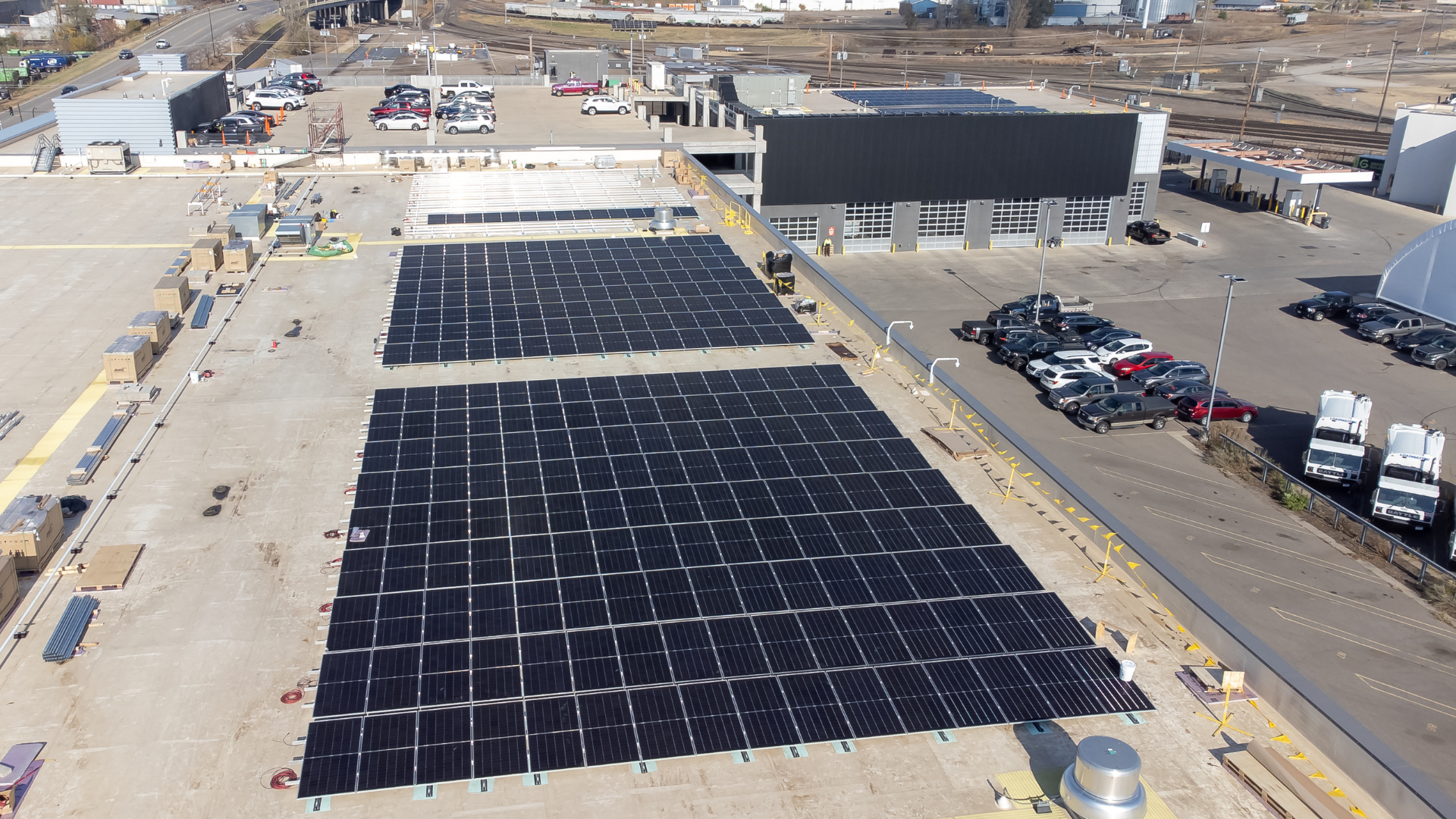
Yes. Ballasted racking systems are commonly used on flat roofs without roof penetrations. Greenway installs on a wide range of commercial roof types.
How long does a commercial solar project take?
Timelines vary by project size and complexity, but most commercial installations take 3-9 months from contract to operational. Starting now is important to meet the July 4, 2026 ITC deadline.
Stop Paying Full Price for Energy Your Roof Can Produce
Every month you wait is another utility bill at full price and one month closer to the ITC deadline. Greenway Solar helps Midwest businesses evaluate their options, model real savings, and build a project plan that works. Request a commercial solar review.
Fill out our client inquiry form today, so we can reach out and help you start taking advantage of the many benefits of solar!
Here at Greenway, we believe in solar for all. For homeowners, we install standard solar panels, EV chargers, battery storage, and the SPAN panel. We are also a certified installer of the Tesla Solar Roof and Powerwall. If you don’t own a home but want the benefits of solar, then subscribing to one of our three community solar gardens might be right for you.
Certified to Install:


More to Read
More posts are coming soon! Sign up using the form below to be notified.

Your Electric Bill Went Up and You Didn't Use More Power. Here Is Why.

Here's How Commercial Solar Systems Are Actually Sized in Minnesota
The Difference Between a Solar Installer and a Solar Partner
Get Greenway Updates in Your Inbox.
Enter your email to receive notifications of new posts.