

Solar Shading Analysis for Homeowners

You are planning solar. Your roof faces south. You have plenty of space. The utility bill shows high consumption. Everything looks good.
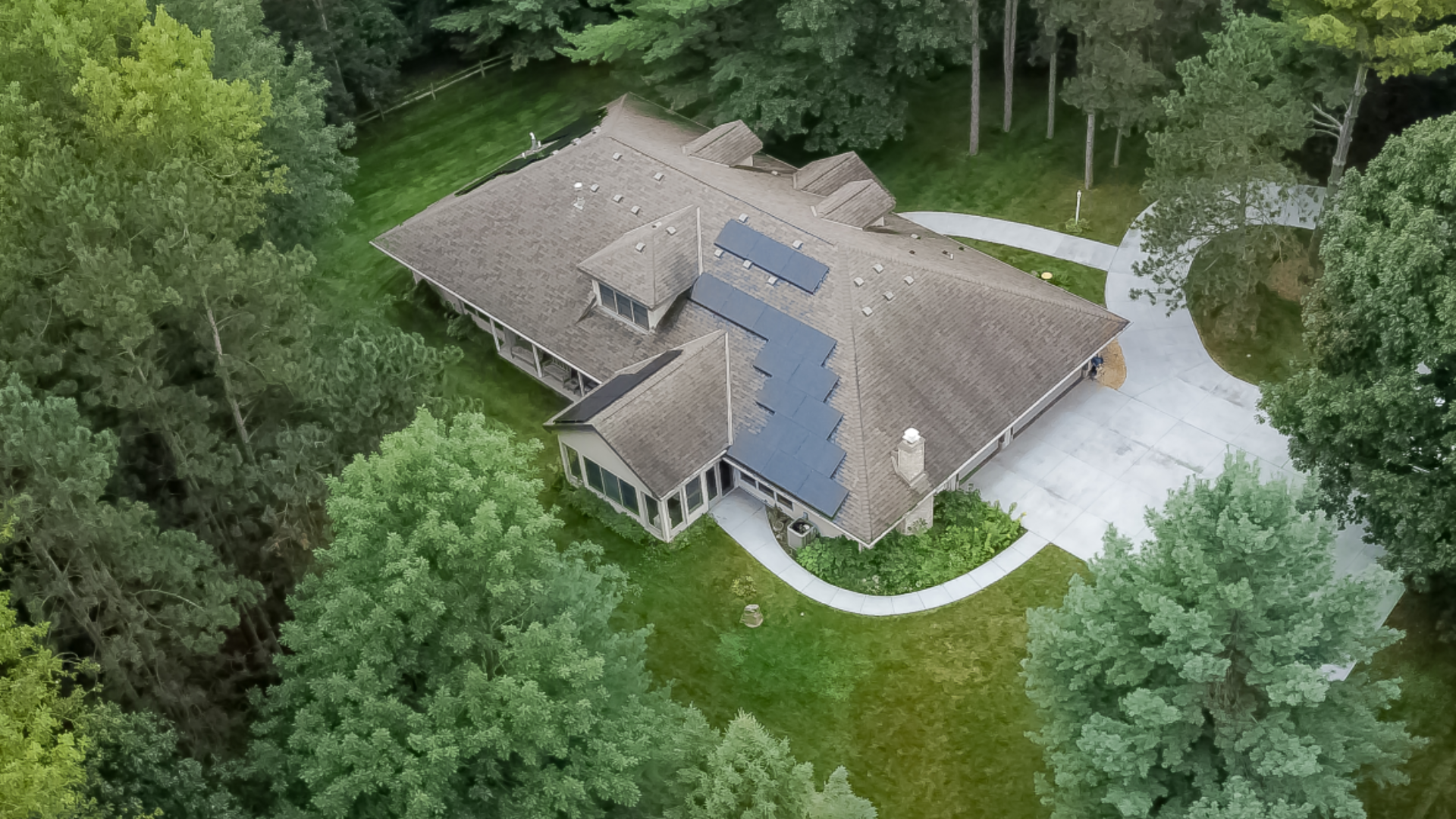
Then the installer mentions shading. A tree on the southeast corner. The neighbor's garage. A chimney. You thought these might matter a little, but the installer is explaining how even partial shade on a few panels can affect the whole system.
Shading analysis is not just about whether you can install solar. It is about how much electricity your system will actually produce, which panels go where, what equipment makes sense, and whether your financial projections are realistic or optimistic.
Most homeowners underestimate how much shading matters. A tree that looks small in November casts a long shadow in January. And the way solar panels respond to shade is not intuitive.
Key Takeaways
- Even partial shade on one panel can reduce output across multiple panels depending on how your system is wired
- Shading patterns change dramatically between summer and winter due to sun angle and tree growth
- Professional shading analysis uses specific tools to measure shade throughout the year
- Understanding your shade situation helps you make informed decisions about tree trimming, panel layout, and equipment selection
Why Shade Affects Solar Panels More Than You Think
Solar panels are made up of individual cells wired together. When one cell gets shaded, it can act like a resistor, blocking current flow through the whole string.
If you have panels wired in series to a string inverter, partial shading on one panel brings down production across the entire string. Picture five panels in a row. Four are in full sun. One has shade covering half. The string inverter pulls all five panels down to match the shaded panel's level.
Panel-level electronics like microinverters or power optimizers isolate each panel. If one panel is shaded, the others keep producing at full capacity. For Minnesota homes with trees or complex roof lines, this equipment often makes sense.
Seasonal Shading Patterns in Minnesota
The sun moves across the sky differently in January than in July. In winter, the sun stays low. Shadows are long. Trees that barely shade your roof in summer can cover panels for hours in December.
Even leafless deciduous trees create significant shade when winter sun angles are low. A tree to the southeast might shade your panels from 8 AM to 11 AM in winter—three hours of daily production lost during the lowest production season.
Your solar panels will operate for 25 years or more. Trees grow. A young oak that barely shades the roof today might cover half the array in 10 years. Professional installers consider growth patterns when designing your system.
How Shading Analysis Works
Installers use modern software with satellite data and LIDAR to measure shade throughout the year. These tools calculate a Solar Access Value—the percentage of available sunlight that reaches your site after accounting for shade.
A completely unshaded south-facing roof might have 95 to 100 percent solar access. A partially shaded roof might be 75 to 85 percent. These numbers directly affect how much electricity your system produces and your financial projections.
Design Decisions Based on Shading Data
Once the installer knows where shade falls and when, design choices follow. If your south-facing roof has afternoon shade but your west-facing roof stays clear, more panels go west even though south is usually preferred.
Heavy shade often justifies microinverters or power optimizers. The production gain from panel-level optimization pays for the equipment upgrade. Light shade might not justify the upgrade if solar access is above 90 percent.
Tree Trimming and Removal Decisions
Shading analysis shows current and future shade as trees grow. Trimming reduces shade without removing the tree. In Minnesota, tree removal regulations vary by city since many cities require permits for removing trees larger than 6-12 inches in diameter, and shoreline or woodland properties often have additional restrictions. Removal makes sense if the tree is declining, positioned directly south, or growing fast enough that ongoing trimming becomes expensive.
Compare the cost of tree work to the value of increased production over 25 years. Fast-growing trees like poplars add shade quickly. Slow-growing oaks take decades. Evergreens shade year-round, so winter shade from a pine is worse than from a maple.
Setting Realistic Production Expectations
A system with no shade might produce 100 percent of its rated capacity. A system with moderate shade might produce 80 to 85 percent. This does not mean solar is a bad investment—it means you size the system correctly and set realistic expectations.
Minnesota winters bring short days and low sun. Summer production is strong. Shading analysis uses Minnesota-specific solar data to give you a realistic picture. Once your system runs, monitoring shows actual output. Trees grow, leaves fill in, neighbors build additions. Monitoring helps you spot problems early.
Working with Greenway on Shading Analysis
At Greenway Solar, we conduct thorough shading analysis on every site before proposing a system. This is part of our standard assessment process.
We use remote modeling tools and site visits to measure shade accurately. For properties with mature trees or complex roof lines, we take extra time to verify the data and make sure our production estimates are realistic.
If shading analysis shows your site is not a good fit for solar, we will tell you. We would rather pass on a project than install a system that underperforms and leaves you disappointed.
For sites with moderate shade, we will show you different equipment options and explain how microinverters or optimizers affect production and cost. You make the final decision based on your priorities and budget.
FAQs
How much shade is too much for solar panels?
Most programs and lenders require at least 75 to 80 percent solar access. If your shading analysis shows access in the 80 to 90 percent range, solar usually still makes sense. Above 90 percent is excellent. Below 75 percent requires careful financial analysis.
Will my solar system still work if part of the roof is shaded?
Yes, but production will be lower than an unshaded system. Modern equipment like microinverters and power optimizers helps contain shading losses to the affected panels instead of dragging down the whole array.
Do I need to remove trees for solar to work?
Not always. Many properties with trees can support solar with careful panel placement and equipment selection. Shading analysis shows whether tree trimming or removal would significantly improve production.
Make Decisions Based on Real Data
Shading analysis gives you the facts you need to make informed choices about solar. You learn how much electricity your system will actually produce, not just what it could produce in perfect conditions.
At Greenway Solar, we believe in honest assessments and transparent data. Every property is different. Some roofs are ideal for solar. Others require compromises.
Fill out our client inquiry form today, so we can reach out and help you start taking advantage of the many benefits of solar!
Here at Greenway, we believe in solar for all. For homeowners, we install standard solar panels, EV chargers, battery storage, and the SPAN panel. We are also a certified installer of the Tesla Solar Roof and Powerwall. If you don’t own a home but want the benefits of solar, then subscribing to one of our three community solar gardens might be right for you.
Certified to Install:


More to Read
More posts are coming soon! Sign up using the form below to be notified.

Your Electric Bill Went Up and You Didn't Use More Power. Here Is Why.

Here's How Commercial Solar Systems Are Actually Sized in Minnesota
The Difference Between a Solar Installer and a Solar Partner
Get Greenway Updates in Your Inbox.
Enter your email to receive notifications of new posts.