

What Happens to Your Solar Investment When Utility Rates Change

When you install solar panels on your home, you are making a decision that will play out over 25 years or more. The panels on your roof today will still be producing electricity in 2050. That is a long time, and a lot can change.
Utility rates will almost certainly go up. The average residential electricity rate in Minnesota has increased by more than 40% over the past decade, and there is no reason to expect that trend to reverse. But rate increases are only part of the story. The way utilities charge you for electricity is also evolving. Time-of-use pricing, demand charges, changes to net metering credits, and new rate structures are all on the table.
If you are considering solar, you might wonder: what happens to my investment if the rules change? Will my solar panels still save me money if my utility restructures its rates or reduces what it pays for excess power I send to the grid?
The short answer is that owning your own solar and battery system gives you more protection against these changes than almost any other energy decision you can make. Here is why.
Why Utility Rates Keep Rising
Electricity rates are driven by the cost of generating power, maintaining the grid, and meeting regulatory requirements. In Minnesota and across the Midwest, several forces are pushing rates higher:
Aging infrastructure needs replacement. Much of the electrical grid was built decades ago. Utilities are spending billions to upgrade transmission lines, substations, and distribution equipment. Those costs get passed on to ratepayers.
Fuel costs fluctuate. Natural gas prices, which heavily influence electricity rates, can swing dramatically based on weather, global markets, and supply constraints. The polar vortex of February 2021 sent natural gas prices soaring and left some customers with enormous bills.
Clean energy mandates require investment. Minnesota has committed to carbon-free electricity by 2040. Meeting that goal requires utilities to build new generation capacity, retire old plants, and invest in grid upgrades. Ratepayers fund these transitions.
Extreme weather increases costs. Storms, floods, and temperature extremes cause outages and damage equipment. Utilities recover those repair costs through rate adjustments.
Over the past 20 years, residential electricity rates in Minnesota have roughly doubled. Looking ahead, most forecasts expect continued increases of 2% to 4% per year, and potentially more during periods of high inflation or major infrastructure investment.
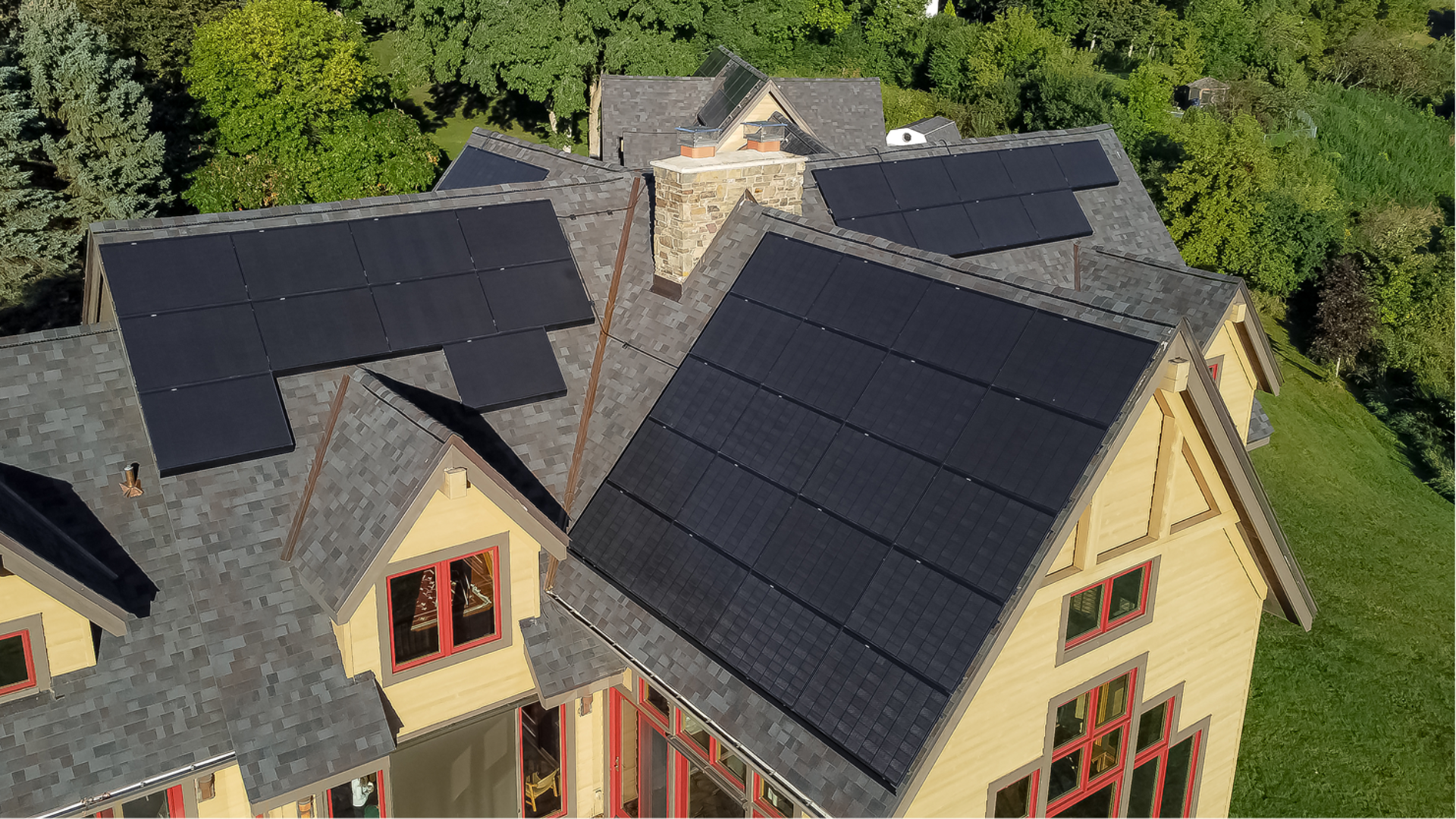
When you install solar, you lock in a significant portion of your electricity supply at today's cost. Every kilowatt-hour your panels produce is one you do not have to buy from the utility at whatever price they charge in 2030, 2040, or 2050.
How Rate Structures Are Changing
Rising rates are one concern. Changing rate structures are another.
Traditionally, most residential customers paid a flat rate per kilowatt-hour regardless of when they used electricity. That is shifting. Utilities across the country are adopting time-of-use (TOU) pricing, where electricity costs more during peak demand hours (typically late afternoon and early evening) and less during off-peak times (overnight and midday).
Minnesota utilities, including Xcel Energy, already offer TOU rate options and may expand them in the future. Under TOU pricing, the electricity you use at 6 PM on a hot August evening might cost two or three times as much as the electricity you use at 2 AM.
For solar owners, TOU rates create both a challenge and an opportunity:
The challenge: Solar panels produce the most electricity in the middle of the day, but TOU rates often value that midday power less than evening power. If you export your solar production to the grid during low-value hours and then buy electricity back during high-value hours, your savings could shrink.
The opportunity: Battery storage changes the equation. With a Powerwall or similar battery, you can store your midday solar production and use it during expensive evening hours instead of buying from the grid. You capture the value of your solar power at the highest rate rather than the lowest.
This is one reason battery attachment rates have increased so dramatically nationwide. Homeowners are recognizing that solar plus storage provides more value and more flexibility than solar alone, especially as rate structures evolve.
What About Net Metering Changes
Net metering is the policy that allows solar owners to send excess electricity to the grid and receive credit on their utility bill. In Minnesota, net metering has historically been favorable, with credits applied at or near the full retail rate.
But net metering policies are not guaranteed forever. California's shift from NEM 2.0 to NEM 3.0 in 2023 dramatically reduced the value of exported solar power for new installations. Other states have made similar changes or are considering them.
Could Minnesota follow? It is possible. Utilities argue that as more customers install solar, the remaining customers bear a larger share of grid maintenance costs. This creates pressure to reduce net metering credits or restructure how solar exports are valued.
Here is what that means for your solar investment:
If you already have solar when policies change, you are typically grandfathered under the rules that existed when your system was installed. Minnesota's current net metering rules include grandfathering provisions that protect existing solar owners for a set period.
If you install solar before policies change, you lock in the current, more favorable treatment. Waiting to see what happens means risking installation under less favorable terms.
If you add battery storage, you reduce your dependence on net metering altogether. Instead of exporting excess power and hoping for fair credit, you store it and use it yourself. The value of that stored electricity is whatever you would have paid the utility, regardless of what export credits they offer.
This is why we often tell customers that battery storage is not just about backup power during outages. It is also a hedge against policy changes that could reduce the value of grid exports in the future.
Ownership Changes and Rate Uncertainty
Utilities themselves can change. Minnesota Power, which serves much of northern Minnesota, was recently acquired by new ownership. When utilities change hands, rate strategies can shift. New owners may pursue different investment priorities, cost recovery approaches, or regulatory strategies.
Greenway wrote about this specific situation in a recent article here, and the core message applies broadly: when you own your solar and battery system outright, you control your energy future regardless of who owns your utility or what decisions they make.
You cannot control whether your utility raises rates by 3% or 6% next year. You cannot control whether they adopt time-of-use pricing or restructure net metering. But you can control how much of your electricity comes from your own roof versus their grid.
Every kilowatt-hour you generate and use yourself is insulated from rate changes, policy shifts, and utility decisions. The more of your consumption you can cover with your own solar and stored battery power, the less exposed you are to whatever comes next.
Real Numbers Over 25 Years
Let us put some numbers to this.
Assume you install a solar system that produces 10,000 kilowatt-hours per year, covering most of your household consumption. Today, you might pay around $0.14 per kWh in Minnesota. Over 25 years, if rates increase by an average of 3% annually, your cumulative savings compared to buying all that electricity from the utility would exceed $50,000.
If rates increase faster, say 4% or 5% per year due to infrastructure investments or fuel cost spikes, your savings grow accordingly. The solar panels you install today become more valuable over time as the electricity they produce displaces increasingly expensive grid power.
Now add a battery. With storage, you can shift more of your consumption to self-generated solar power, reducing your grid purchases further. You can also avoid the highest-cost hours under time-of-use pricing. And you gain backup power during outages, which has real value even if it is hard to put a dollar figure on keeping your refrigerator running and your sump pump operating during a summer storm.
The combination of solar and battery does not just save money today. It positions you to save more money as rates rise and rate structures evolve over the coming decades.
What You Can Do Now
If you are concerned about rising utility costs and changing rate structures, here are practical steps to consider:
Understand your current usage. Pull your utility bills from the past 12 months and look at your total consumption, your average rate, and any time-of-use patterns if your utility offers them. This baseline helps you and your solar installer design a system that matches your actual needs.
Think about your full energy future. Are you considering an electric vehicle? A heat pump? These additions will increase your electricity consumption. Sizing your solar system to accommodate future loads gives you more protection as your energy needs grow.
Consider battery storage from the start. Adding a Powerwall or similar battery at the time of your solar installation is typically more cost-effective than retrofitting later. Batteries also qualify for the federal tax credit when installed with solar, reducing your net cost.
Do not wait for perfect information. Rate structures will continue to evolve. Net metering policies may change. Waiting for certainty means missing the current incentives and favorable policies that exist today. Installing now locks in today's benefits and protects you from tomorrow's unknowns.
A Conversation Worth Having
Every homeowner's situation is different. Your roof, your consumption patterns, your utility, and your goals all factor into the right solar and storage solution for you.
At Greenway, we help Minnesota homeowners think through these decisions with honest, practical advice. We will not oversell you a system you do not need, and we will not pretend we can predict exactly what utilities will do over the next 25 years. What we can do is help you design a system that maximizes your energy independence and minimizes your exposure to rate volatility and policy changes.
If you want to explore what solar and battery storage could mean for your home, reach out for a conversation. You can fill out our inquiry form at greenwaysolar.org or call us at 612-416-1518. We will review your situation, answer your questions, and give you a clear picture of your options.
Your utility's rates will change. The only question is whether you will be watching from the sidelines or generating your own power from your own roof.
Fill out our client inquiry form today, so we can reach out and help you start taking advantage of the many benefits of solar!
Here at Greenway, we believe in solar for all. For homeowners, we install standard solar panels, EV chargers, battery storage, and the SPAN panel. We are also a certified installer of the Tesla Solar Roof and Powerwall. If you don’t own a home but want the benefits of solar, then subscribing to one of our three community solar gardens might be right for you.
Certified to Install:


More to Read
More posts are coming soon! Sign up using the form below to be notified.
Your Electric Bill Went Up and You Didn't Use More Power. Here Is Why.

Here's How Commercial Solar Systems Are Actually Sized in Minnesota
The Difference Between a Solar Installer and a Solar Partner
Get Greenway Updates in Your Inbox.
Enter your email to receive notifications of new posts.