

Roof-Ready Solar in Minnesota: A Practical Checklist for C&I Buildings

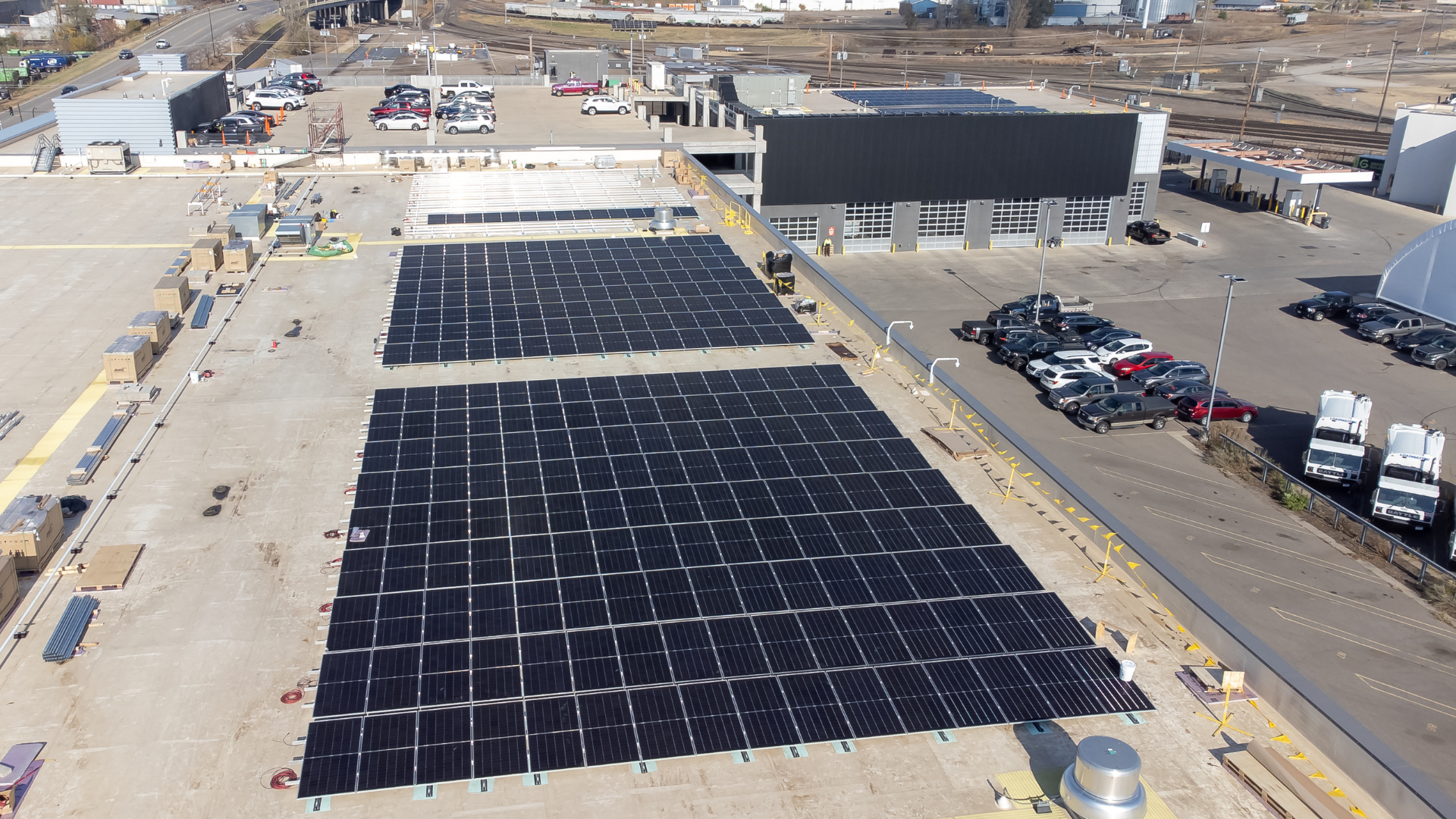
Our recent explainer on demand charges showed how one short power spike can shape an entire month’s bill. Roof-ready design is the other half of reliable ROI. If the roof slows interconnection, adds structural surprises, or needs repair right after install, savings slip. A ready roof keeps your schedule tight and your payback on track. Solar performs best on a roof that is prepared for Minnesota weather and utility coordination. Snow, wind, freeze-thaw cycles, and long winters add a few extra steps. This is the checklist our Greenway team uses with facility managers, roofers, and structural engineers so projects stay clean and perform as modeled.

1) Know your structure and snow load
Pull original structural drawings early and confirm assumptions. Roofs must account for the greater of live load or calculated snow load, including drift near parapets and rooftop units. A solar array can change how snow collects. Small layout tweaks prevent blocked drains and mid-winter maintenance headaches.
What to capture: as-built drawings, roof framing type, deck thickness, parapet heights, RTU locations, known drift areas, and any previous structural modifications.
2) Check roof age, membrane type, and warranty
The array should not outlive the roof. If the roof has fewer than ten years left, consider a re-roof before or with the solar install. Coordinate with the membrane manufacturer so attachments, walk pads, and ballast are approved. Minnesota owners often use TPO or EPDM on low-slope roofs. A short call among your roofer, the membrane rep, and Greenway prevents surprises and preserves warranty.
3) Choose the right attachment strategy
Ballasted systems reduce penetrations but add weight. Attached systems reduce ballast but need careful detailing. In snow country, a blended approach often manages weight, wind, and drift best. Place walk pads for service routes and keep clear access to drains and RTUs. Label these in the drawings so they survive value engineering.
4) Electrical and interconnection basics
Verify service size, available capacity at the main, and the likely point of interconnection. Early coordination with your utility saves time. A short engineering call clarifies timelines, required protection equipment, and metering. That same call keeps your as-builts aligned with utility processes and avoids last-minute changes.
5) Plan for winter and shoulder seasons
Construction can continue in cold weather with the right sequence. Plan membrane work, set expectations for adhesives, and protect materials from the elements. Schedule commissioning when sensors and monitoring can be validated under real sun and temperature swings. Document safe snow removal rules so crews never use sharp tools near modules.
6) Minnesota-friendly incentives and financing
Most commercial projects use the federal investment tax credit and depreciation. Minnesota provides a sales-tax exemption on qualifying solar equipment, which lowers upfront cost for businesses. When projects include re-roofing or add storage, MinnPACE can offer long-term, fixed-rate financing repaid through the property-tax assessment. Many owners use it to keep cash flow positive and preserve bank lines. Greenway scopes both the electrical and roofing paths so you can evaluate these options together.
7) O&M that matches Midwest weather
Set a simple plan for inspections after major weather events. Check corners for uplift, look for snow blocking around drains, and log module damage after hail. Tie monitoring alerts to a clear ticketing process so someone owns investigation and resolution. A short seasonal checklist keeps performance steady through winter and spring thaw.
Why Greenway
Greenway is a Minnesota-based, full-service electrical contractor. We design and build solar, storage, EV charging, and smart panel upgrades for businesses across the Upper Midwest. Our team coordinates roof, structure, and solar as one package, then supports you with modeling and maintenance after commissioning. If you want a quick roof-readiness walk-through, send your roof age, membrane type, and a few photos. We will outline next steps that keep your project on schedule and code compliant.
Fill out our client inquiry form today, so we can reach out and help you start taking advantage of the many benefits of solar!
Here at Greenway, we believe in solar for all. For homeowners, we install standard solar panels, EV chargers, battery storage, and the SPAN panel. We are also a certified installer of the Tesla Solar Roof and Powerwall. If you don’t own a home but want the benefits of solar, then subscribing to one of our three community solar gardens might be right for you.
Certified to Install:


More to Read
More posts are coming soon! Sign up using the form below to be notified.

Your Electric Bill Went Up and You Didn't Use More Power. Here Is Why.

Here's How Commercial Solar Systems Are Actually Sized in Minnesota
The Difference Between a Solar Installer and a Solar Partner
Get Greenway Updates in Your Inbox.
Enter your email to receive notifications of new posts.